

She had called herself lazy for years.
When she missed a deadline, forgot an appointment, left a task unfinished, or spent hours preparing to do something simple, the word came back.
From the outside, she looked like an adult who needed more discipline. Inside, she was exhausted.
She had tried planners, alarms, motivational videos, strict schedules, late nights, early mornings, and endless promises to herself.
Each new plan gave hope. Each failed plan deepened shame.
Over time, “lazy” became part of her identity. Until one day, she wondered if that word told the whole story.
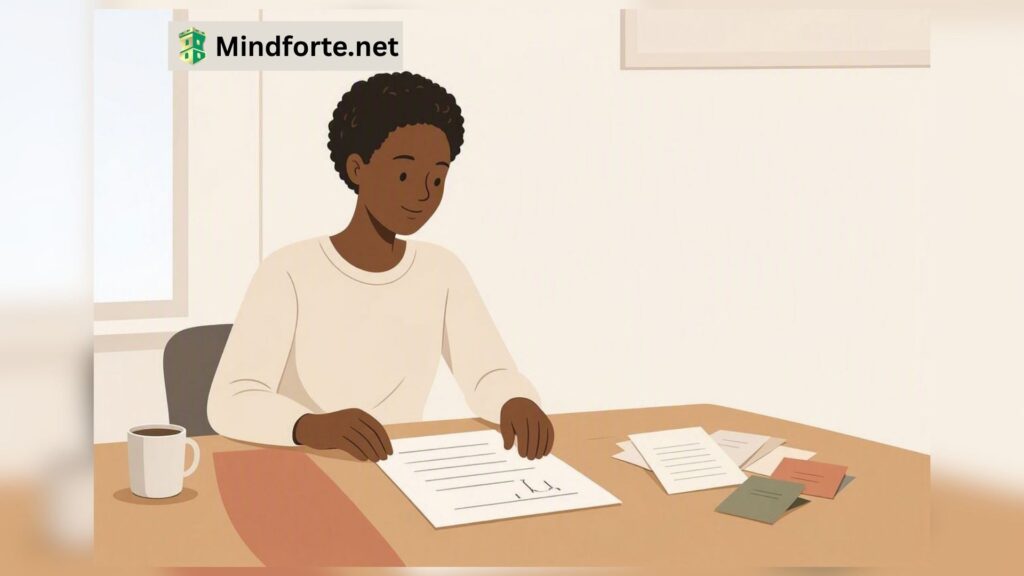
When Ordinary Tasks Feel Unusually Hard
Many adults know what it’s like to delay a difficult task. But for some, even simple tasks feel strangely hard.
Replying to an email. Washing dishes. Paying a bill. Attending an appointment.
They know the consequences. They may even feel anxious about it. Yet starting feels impossible.
Loved ones often respond with frustration:
- “You remembered to watch that programme, so why not this?”
- “You’re intelligent. Why waste opportunities?”
- “You just need to be more organised.”
Over time, those voices become self‑criticism: “I’m lazy.” “I never finish anything.” “Something is wrong with me.”
But shame rarely teaches skills. It may push someone briefly, but it doesn’t explain why the same cycle keeps returning. For some adults, ADHD is part of that explanation.
ADHD in Adulthood
Attention Deficit Hyperactivity Disorder (ADHD) is a neurodevelopmental condition that begins in childhood but often continues into adulthood.
Some adults only recognise it when work, family, or daily responsibilities become overwhelming.
It doesn’t look the same in everyone.
- Some struggle with attention, planning, and organisation.
- Others feel restless, impulsive, or unable to sit through long tasks.
- Many experience a mix of both.
According to the National Institute of Mental Health, adults with ADHD may struggle with staying on task, managing time, completing projects, remembering responsibilities, and keeping appointments.
These difficulties affect work, relationships, and everyday life.
Occasional distraction doesn’t mean ADHD.
The difference is persistence, severity, and impact across multiple areas of life — with a history reaching back to childhood. That’s why proper assessment matters.
What ADHD May Look Like
Adults with ADHD may:
- Struggle to begin tasks, even important ones
- Start projects but leave them unfinished
- Forget appointments or lose important items
- Underestimate how long tasks will take
- Arrive late despite serious effort
- Feel overwhelmed by paperwork or routines
- Get distracted by sounds, thoughts, or notifications
- Interrupt conversations or make impulsive decisions
- Experience repeated problems at work, home, or in relationships
Other conditions — anxiety, depression, sleep problems, stress — can look similar. A qualified professional must rule these out before diagnosis.
Why “Try Harder” Isn’t Enough
One of the most painful parts of ADHD is the gap between knowing and doing.
You may know how to organise a room but still struggle to begin.
You may care deeply about your partner but forget promises or interrupt conversations.
You may understand the importance of sleep but find it hard to stop scrolling at night.
This isn’t laziness. It’s difficulty with executive functioning — the mental skills that help us plan, organise, start tasks, manage time, and follow through.
That’s why “just try harder” often fails. Many adults with ADHD are already trying harder than anyone realises.
The Turning Point
The woman in our story didn’t suddenly know she had ADHD.
She began with a question:
“What if this isn’t laziness?”
She noticed her struggles weren’t limited to one season. They had followed her from childhood into adulthood.
Learning that ADHD can persist into adulthood gave her permission to investigate.
A proper assessment confirmed what years of shame had hidden: she wasn’t lazy. She was living with ADHD.
What Changed With Support
She still had responsibilities. She still forgot things sometimes. But she stopped using shame as her main strategy.
Instead, she learned practical tools:
- Breaking tasks into smaller steps
- Using visible reminders
- Setting alarms to start tasks, not just finish them
- Keeping items in consistent places
- Working in short bursts with breaks
- Reducing distractions
- Asking for written instructions
- Making appointments immediately
- Using a simple weekly plan
- Speaking openly about her needs
She also worked through the emotional impact of years of self‑criticism. Grief, anger, sadness — all deserved space.
Understanding ADHD didn’t erase mistakes, but it gave her better tools and a kinder perspective.
Support Makes a Difference
Treatment varies. It may include medication, therapy, behavioural strategies, coaching, lifestyle changes, or environmental adjustments.
Therapy often focuses on:
- Planning and organisation
- Time management
- Emotional regulation
- Coping with frustration
- Managing shame and self‑esteem
- Building routines
- Repairing relationships
The benefits include feeling less alone, recognising patterns, and gaining support while making changes.
ADHD and Relationships
ADHD affects more than productivity.
A partner may feel ignored when conversations are interrupted. A spouse may feel hurt when tasks are forgotten.
The adult with ADHD may feel misunderstood and ashamed.
Support helps couples distinguish intention from impact.
Clear agreements, realistic expectations, shared systems, and respectful communication can reduce frustration and rebuild trust.
What Adults With ADHD Need to Hear
You are allowed to take your struggles seriously.
You are allowed to question the labels you’ve carried. You are allowed to seek help before life feels like a crisis.
Lazy may describe how someone interpreted your behaviour. It doesn’t explain what’s happening underneath.
Better questions are:
- What makes this task difficult?
- What pattern keeps repeating?
- What support helps me begin?
- Would a professional assessment help me understand more clearly?
A Gentle Next Step
If you’ve been struggling with attention, organisation, procrastination, or repeated self‑blame, consider speaking with a qualified professional.
Therapy is available in Abuja and online across Nigeria and beyond.
Book an appointment: www.mindforte.net/booking
You deserve support that helps you understand your experiences and build a life that feels more manageable.
And perhaps the most important question is: What would change if you stopped calling yourself lazy long enough to understand what you may actually be struggling with?
References and Sources
- National Institute of Mental Health. “ADHD in Adults: 4 Things to Know.” https://www.nimh.nih.gov/health/publications/adhd-what-you-need-to-know
- National Institute of Mental Health. “Attention-Deficit/Hyperactivity Disorder: What You Need to Know.” https://www.nimh.nih.gov/health/publications/attention-deficit-hyperactivity-disorder-what-you-need-to-know
- National Institute of Mental Health. “Attention-Deficit/Hyperactivity Disorder: What You Need to Know” PDF. https://www.nimh.nih.gov/sites/default/files/documents/health/publications/adhd-2024.pdf
- Centers for Disease Control and Prevention. “ADHD in Adults.” https://www.cdc.gov/adhd/about/adhd-in-adults.html
- Centers for Disease Control and Prevention. “Symptoms of ADHD.” https://www.cdc.gov/adhd/signs-symptoms/index.html
- Centers for Disease Control and Prevention. “Treatment of ADHD.” https://www.cdc.gov/adhd/treatment/index.html
The clinical points about adult ADHD symptoms, childhood onset, assessment, executive functioning, possible overlapping conditions, and treatment options are paraphrased from the NIMH and CDC resources above.